
Why Your Home Needs Custom Blinds

Albert Mastrando • May 21, 2018

At first glance, blinds bought ready-made online or from a retail store may seem fine, but custom blinds offer so much more. Here’s why your home needs custom blinds.

When you buy custom blinds, the selection is almost endless. There are numerous materials, colors, textures, and added touches available. Plus, your windows may not be uniform, and they may need custom window treatments to fit them properly.

Horizontal blinds made to cover windows that open up and down can be made from wood, faux wood , aluminum, or vinyl. Wood blinds offer a traditional look and natural beauty when they are stained. For a similar look that can withstand heat and humidity, you can use faux wood blinds. Aluminum and vinyl are both durable and easy to clean. Vertical blinds are available in the same materials as horizontal blinds, plus they can be fabric for a softer look. Vertical blinds work well on wide expanses of glass, like sliding glass doors, and windows that open to the side, and both orientations come in a range of vane or slat widths.

Every type of blind is available in numerous finishes or colors. Wood and faux wood can be stained or painted to match your window trim. Select aluminum horizontal blinds in a bright color or vinyl vertical blinds in a unique pattern to add some interest to your walls. Cornices and decorative tapes can be added for even more personal style. Custom blinds are able to beautifully cover windows by themselves, or they coordinate perfectly with draperies or curtains.

Custom blinds are specifically made to fit your windows, so you don’t have to settle for whatever blinds are available at the store in the right size. Once you decide what type of blinds you want, your windows are professionally measured before your new window treatments are created. This customization also allows you to cover windows that are unusual shapes, like arches, circles, or angles. Once your blinds are finished, they are installed by experts, so you don’t have to worry about hanging them straight or being sturdy enough that they won’t fall.

Horizontal and vertical blinds offer incredible flexibility in light control and privacy. For an open view, horizontal blinds can be pulled to the top of the window and vertical blinds can be moved to the side. For partial privacy and filtered light, they can be drawn over the window with the vanes or slats open. When you need a darkened room during the day for daytime nappers or to watch a movie, the vanes or slats can be closed completely.

At Alberts South Jersey Wallpaper, we can help you create the perfect custom blinds for your home or business by selecting the orientation, material, color, and size. We can also help you with your other window treatment, awning, and wallcovering needs. Come visit our showroom in Haddon Heights, New Jersey. We proudly serve homeowners and business owners in Haddon Heights, Sewell, Mullica Hill, Mickleton, Chenny Hill, Haddonfield, Voorhees, Mt. Laure, and Moorestown, New Jersey.
By Albert Mastrando March 6, 2026
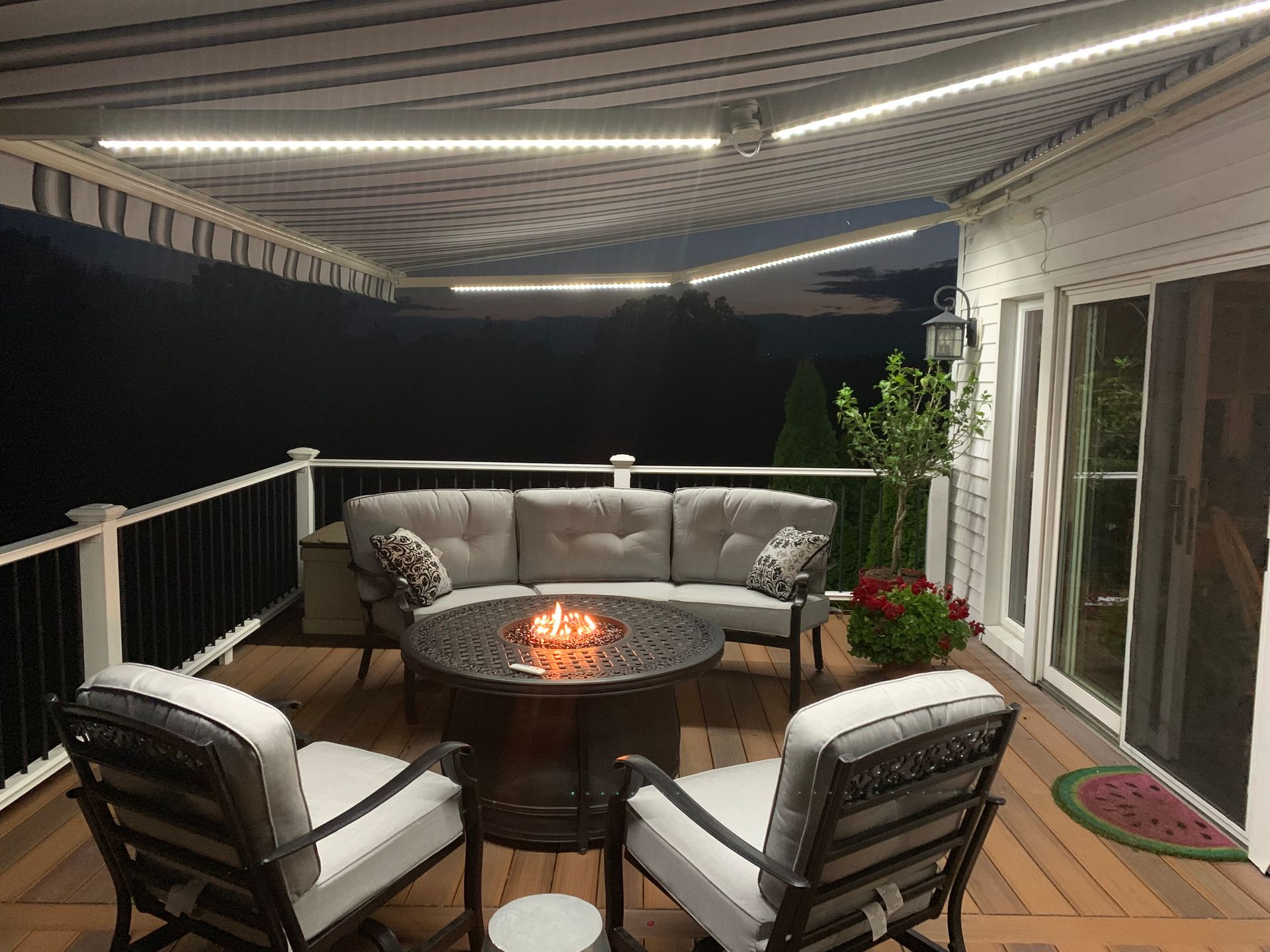
Like any outdoor product, proper care and operation are essential for protecting your investment and ensuring long-term performance.
By Albert Mastrando February 25, 2026
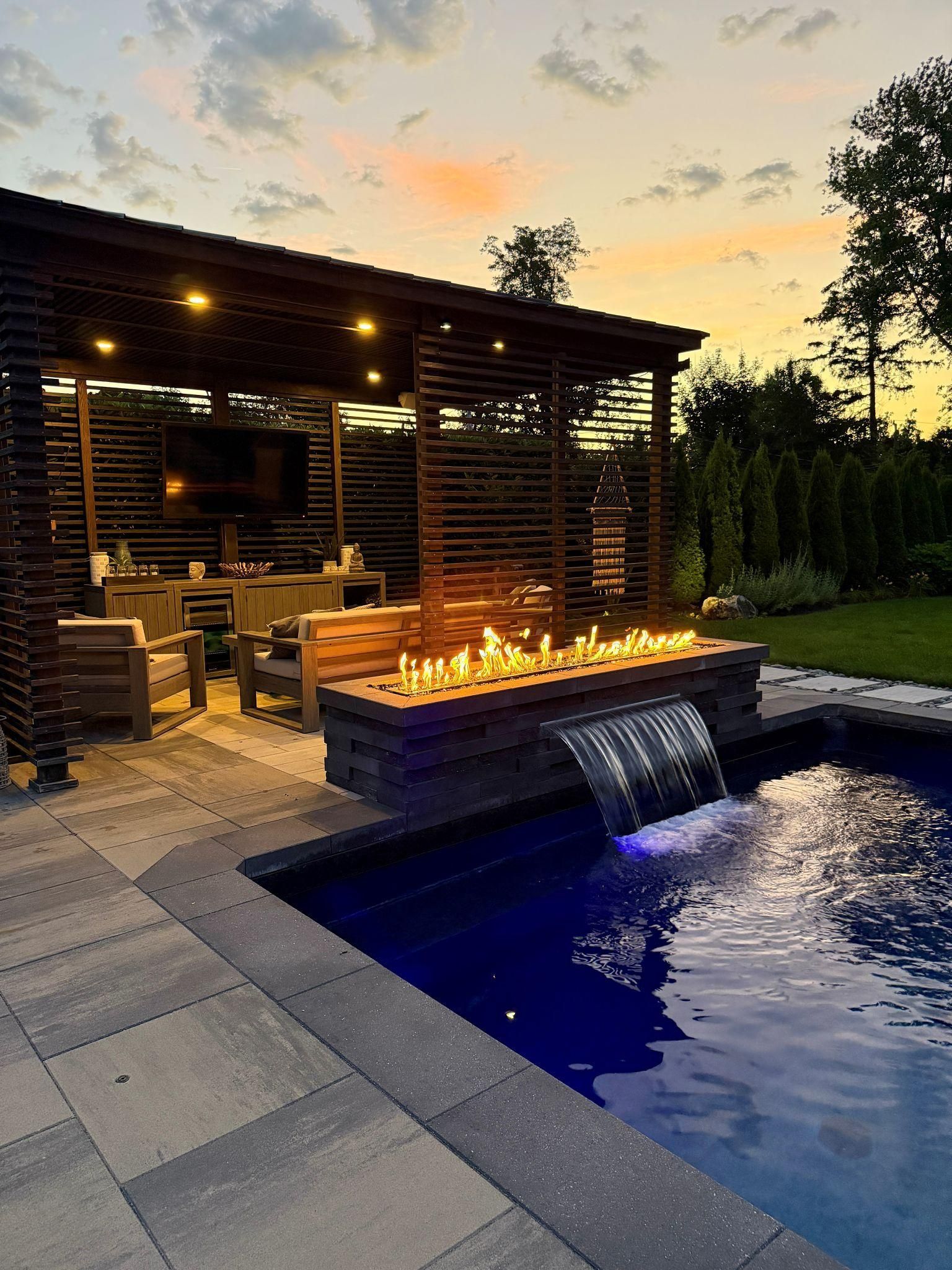
A luxury backyard isn’t about adding random features. It’s about designing intentional outdoor living space — where shade, structure, comfort, and function work together. In South Jersey, where summers are humid, sunlight is strong, and entertaining season matters, the right outdoor design can transform how often you use your property. At Albert's Wallpaper , we help homeowners integrate: Motorized retractable awnings Architectural pergolas Exterior solar and motorized screens Not as standalone products — but as part of a complete outdoor lifestyle plan. Here’s how to think about it. Step 1: Define Zones — Not Just Shade Luxury outdoor spaces are divided into purpose-driven zones : Poolside lounge area Outdoor kitchen & grilling space Dining area Conversation seating Hot tub or spa area Each zone needs a different type of protection and structure. That’s where combining products becomes powerful. Pergolas: Create the Architectural Anchor Pergolas are ideal for: Framing outdoor kitchens Creating poolside lounge areas Defining dining spaces Establishing a visual focal point They introduce structure and permanence. In a luxury backyard, a pergola often becomes the centerpiece — the element that makes the space feel curated rather than improvised. Around a pool, a pergola can create a resort-style retreat. Over a dining area, it forms a defined outdoor room. It doesn’t just block sun — it shapes the space. Retractable Awnings: Add Flexible Comfort Motorized retractable awnings are perfect for: Patios directly off the home Grill stations exposed to harsh sun Transitional indoor-outdoor spaces They allow you to: Extend shade during peak sun Retract in the evening Adjust instantly during gatherings For entertaining, this flexibility is key. Hosting a daytime party? Extend the awning. Evening cocktails? Open it up and let the sky in. It’s comfort on demand. Exterior Solar & Motorized Screens: Control the Environment This is where luxury meets practicality. Exterior solar shades and motorized screens — like those offered by Graber and SunPro Products — allow you to control: Glare Heat Insects Privacy Wind These are ideal for: Pergola enclosures Covered patios Outdoor kitchens Hot tub areas Instead of building permanent walls, screens create a dynamic barrier you can raise or lower as needed. That’s how you turn an outdoor space into a true four-season extension of the home. Designing Around the Pool Pool areas benefit from layered shade. A strong design might include: A pergola over a lounge zone Exterior screens for afternoon glare A retractable awning near the house This creates: A sun area A filtered light area A fully shaded retreat Guests move naturally between zones. It feels intentional — like a boutique hotel, not just a backyard. Outdoor Kitchens & Grilling Areas Grilling under direct sun in July isn’t enjoyable. Strategic coverage over outdoor kitchens: Reduces heat exposure Protects cabinetry and appliances Keeps guests comfortable while dining A pergola can create structure. An awning can provide flexibility. Exterior screens can block wind or glare. It’s about designing comfort into the cooking experience. Entertaining & Evening Use Luxury outdoor spaces don’t shut down at 5 p.m. With the right design: Afternoon heat becomes manageable Evening gatherings feel elevated Lighting integrates seamlessly with structure Guests stay outside longer A pergola defines the ambiance. An awning adapts to conditions. Exterior screens refine the environment. Together, they extend both time and usability. Think Long-Term, Not Temporary Luxury outdoor design isn’t about the lowest-cost solution. It’s about: Structural integration Professional installation Clean architectural lines Durable materials A cohesive layout Temporary fixes fade. Integrated design lasts. The Real Goal: Outdoor Living Without Compromise When properly combined, awnings, pergolas, and exterior screens create: Climate control Defined space Visual sophistication Increased property appeal A true extension of the home That’s what separates a premium backyard from a basic one. Designing Your Backyard in South Jersey Sun direction, wind exposure, pool placement, and home architecture all matter. We work with homeowners to evaluate: Layout Usage habits Entertaining style Long-term plans So your outdoor investment feels intentional — not pieced together. 👉 Schedule a private outdoor design consultation at albertwallpaper.com/contact
By Albert Mastrando February 25, 2026
When homeowners start upgrading their outdoor space, the conversation often comes down to two options: A retractable awning A pergola Both provide shade. Both improve comfort. But architecturally? They live in very different categories. If you're trying to decide which one makes a stronger design statement — especially for a premium backyard setting — here’s how they truly compare. At Albert's Wallpaper , we help homeowners evaluate not just shade, but structure, aesthetics, and long-term impact. What Does “More Architectural” Really Mean? Architectural elements: Define space Add structure Create visual weight Integrate with the home’s design They don’t just serve a function — they change how the property feels. So the real question isn’t just “Which gives shade?” It’s “Which changes the identity of the space?” Retractable Awnings: Functional & Flexible Retractable awnings are excellent for: Patio shade Deck coverage Poolside sun control Extending usable outdoor hours They’re flexible, motorized, and disappear when retracted. Architectural Presence When extended, they provide coverage. When retracted, they nearly vanish. They: Attach directly to the home Require no vertical posts Maintain open sight lines For homeowners who want shade without altering the structure of their backyard, awnings are ideal. Architecturally, they are subtle. Pergolas: Structure With Intention Pergolas are different. They introduce: Vertical supports Overhead framing Defined perimeter Physical presence They don’t disappear. They anchor the space. A pergola becomes: An outdoor room A design focal point A poolside statement A structural extension of the home Architecturally, pergolas carry weight. Visual Impact: Subtle vs Structural Retractable Awning Clean Minimal Functional Best for maintaining simplicity Pergola Bold Structured Intentional Best for creating a destination space If your goal is to preserve a clean facade, an awning does that beautifully. If your goal is to elevate the backyard into a defined architectural environment, a pergola wins. Poolside & Premium Settings Around pools or luxury outdoor layouts, pergolas often feel more integrated. They can: Frame lounge areas Define outdoor dining spaces Add lighting and structural detail Create a resort-like atmosphere A retractable awning enhances comfort. A pergola reshapes the environment. Flexibility vs Permanence Retractable awnings offer: On-demand shade Minimal footprint Storm protection when retracted Seasonal adaptability Pergolas offer: Permanent presence Structural impact Defined boundaries Strong design integration The difference is flexibility versus architectural permanence. Which Is More Architectural? If we’re speaking purely from a structural and visual standpoint: A pergola is more architectural. It introduces framing, depth, and dimension that physically changes the layout of your outdoor space. An awning enhances usability. A pergola transforms identity. Which Is Right for You? Choose a retractable awning if you: Want adaptable shade Prefer a minimal exterior look Don’t want vertical posts Value subtle enhancement Choose a pergola if you: Want a defined outdoor room Are investing in a premium backyard Prefer structural presence See your outdoor space as a long-term design feature Designing the Right Outdoor Upgrade in South Jersey Sun direction, yard layout, pool placement, and home architecture all influence the right choice. At Albert’s Wallpaper, we evaluate: Orientation Usage goals Design preference Long-term plans So the solution fits your space — not just your budget. 👉 Schedule a private consultation at albertwallpaper.com/contact